Bushido-Kai Martial Arts Academy Program
Bushido-Kai delivers structured martial arts training focused on practical self-defense, character development, and lifelong fitness. Classes balance technical instruction with situational awareness drills and age-appropriate physical conditioning. The program targets children, teens, and adults with clear progression pathways and measurable goals.
Philosophy and Core Values
Bushido-Kai centers instruction on respect, perseverance, and personal responsibility. The curriculum emphasizes safe risk-taking and constructive feedback. Students learn to set short-term goals, measure progress objectively, and translate dojo behavior into school and community settings. Values are reinforced through ceremony, peer mentoring, and role modeling by instructors who apply consistent standards during classes and evaluations.
Class Levels, Age Groups, and Typical Lesson Flow
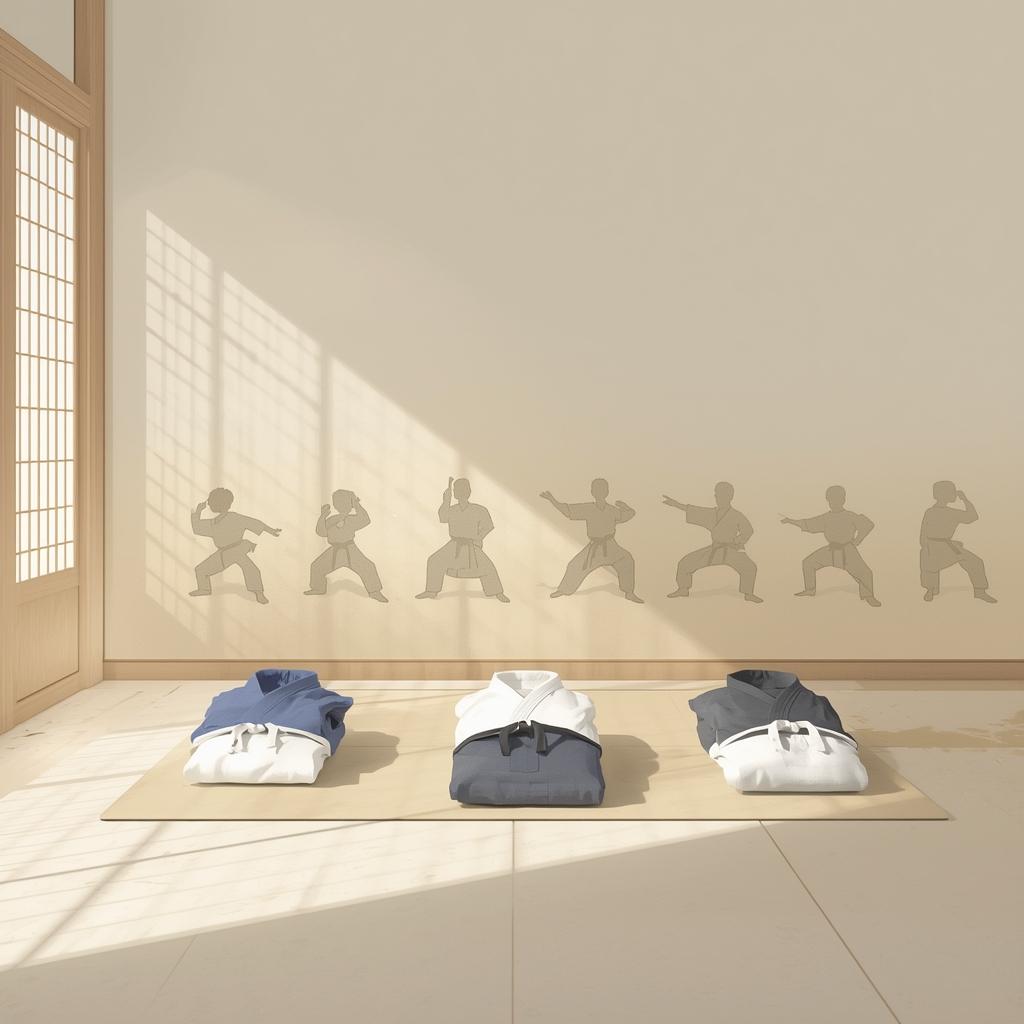
Classes are organized by age and proficiency to optimize learning and reduce injury risk. Common groupings are Tiny Tigers (3–5 years), Juniors (6–11 years), Teens (12–17 years), and Adults (18+). Each level maintains a recommended student-to-instructor ratio: 6:1 for Tiny Tigers, 10:1 for Juniors, and up to 12:1 for Teens and Adults. A typical 60-minute lesson follows a predictable rhythm to build habit and focus: warm-up and mobility, technical drilling, partner work, controlled contact practice, and cooldown with reflection. Testing and goal-setting occupy the final minutes to reinforce achievement and outline next steps.
Curriculum, Skill Progression, Forms, and Controlled Contact
The curriculum blends fundamentals with progressive complexity. Training includes stances, strikes, blocks, forms practice, controlled sparring, and real-world self-defense scenarios. Emphasis is placed on biomechanically sound techniques to reduce strain and maximize effectiveness. Forms training is used to internalize timing, balance, and transitions. Controlled contact sparring is introduced gradually with protective gear and transparent rules to teach distance management and decision-making under stress. Self-defense modules cover situational awareness, escape tactics, and verbal de-escalation.
Below is a clear progression matrix used for goal setting and class planning. It shows rank, color, age focus, typical time to achieve, and core competency for each level.
After each level, written and practical assessments measure technique, fitness, and attitude. Records are kept to show incremental improvements and to set the next rank milestone.
Discipline, Fitness, and Character Development
Training improves muscular endurance, coordination, and motor skills through age-appropriate drills. For young children, emphasis is on gross motor development, hand-eye coordination, and attention span. Teens and adults receive higher-intensity conditioning focused on agility, anaerobic capacity, and joint stability. Discipline is taught through routine, punctuality, uniform standards, and respect cues. Character development is reinforced with community service initiatives and leadership roles for higher ranks.
Belt Progression, Testing, Instructor Qualifications, and Tracking
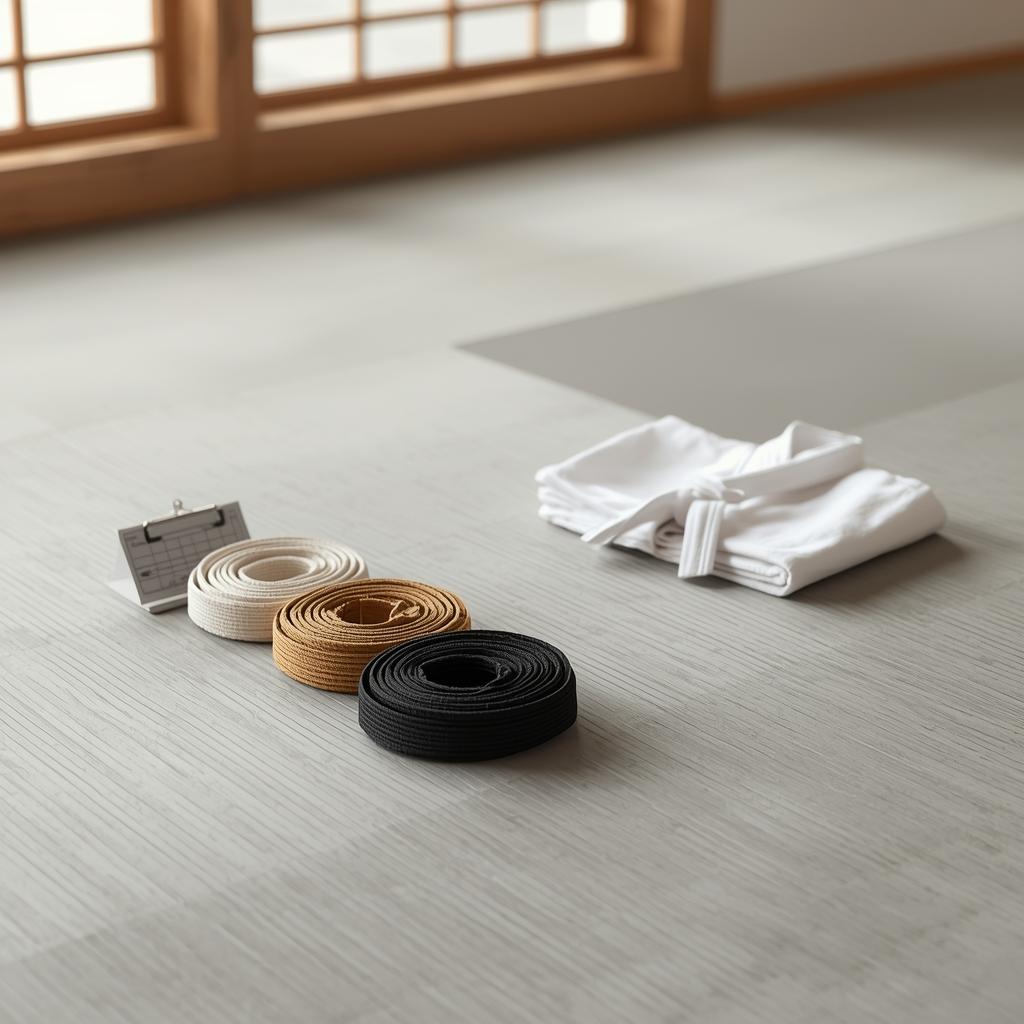
Rank advancement follows predictable timelines with clear testing requirements. Tests combine technical demonstration, sparring performance, and fitness benchmarks. Instructors hold national coaching certifications, current CPR and first aid credentials, and ongoing professional development in pedagogy and injury prevention. Performance metrics are tracked digitally: attendance, skill drills completed, sparring outcomes, and test readiness. Monthly progress reports and goal-setting conferences help sustain motivation.
Key instructor qualifications include:
- Certified coaching credential and at least five years teaching experience.
- Current CPR and first aid certification.
- Background checks and youth safeguarding training.
Safety, Adaptive Programs, Facilities, and Equipment
Safety protocols emphasize pre-class screening, age-appropriate contact rules, and mandatory protective gear for sparring. Warm-ups target mobility deficits to reduce injury risk. Adaptive programs serve children with sensory, cognitive, or motor differences through individualized goals, modified drills, and one-on-one support where needed. The training space uses sprung flooring, padded walls, and equipment sanitized between sessions. Equipment inventory includes gloves, head protection, focus mitts, and agility tools. Emergency response plans and incident logs are maintained and reviewed quarterly.
Parental Communication, Special Programs, Competitions, and Enrollment
Parents receive weekly lesson summaries and monthly progress updates via secure online portals and occasional parent-observation days. Special offerings include seasonal camps, skill clinics, and curated birthday party experiences with structured activities and safety oversight. Competitive students receive tournament tracks with coach-led strategy sessions and conditioning plans. Membership tiers accommodate casual learners, regular students, and competitive athletes.
Common membership options:
- Trial class with one session and uniform rental.
- Monthly unlimited classes for regular training.
- Family plans with sibling discounts and priority enrollment.
Enrollment requires completed waiver, basic health information, and consent for photography where applicable. A clear absence and makeup policy supports consistent progression.
Community Engagement and Success Stories
Partnerships with local schools and youth organizations deliver after-school enrichment and anti-bullying programs. Alumni have progressed to coaching roles, collegiate sports scholarships, and community leadership positions. Testimonials highlight improved confidence, academic focus, and physical health among long-term students.
Bushido-Kai provides a measurable pathway from first lesson to leadership, with safety, technique, and character development at the center of every training hour.